2026 Hiring Trends in Melbourne You Need to Know About
Melbourne’s labour market has never stood still, but 2026 is shaping up to be a year where employers feel the pressure more clearly than ever. Demand is rising, expectations are shifting, and the way businesses attract and retain staff is changing in very real ways.
If you are hiring in Melbourne this year, especially across logistics, warehousing, manufacturing, construction or operational roles, these are the trends worth paying attention to now, not later.
1. Skills shortages are no longer seasonal
For years, labour shortages came in waves. Peak periods, large projects, Christmas casuals. In 2026, the shortage is ongoing.
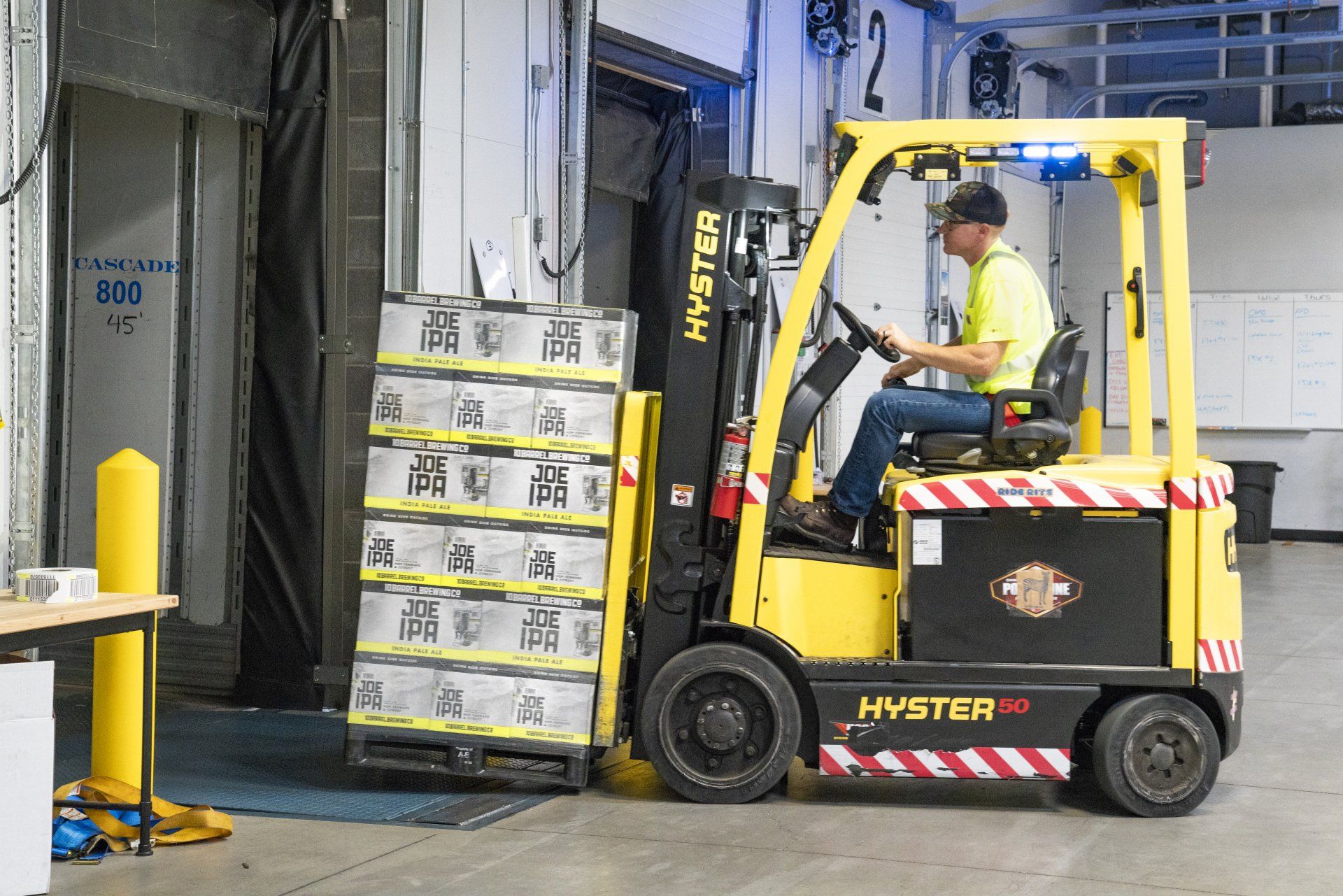
Melbourne employers are competing for experienced forklift drivers, machine operators, production staff, trades, and reliable process workers year round. Skilled candidates are more selective, and many are choosing employers who offer consistency over short term incentives.
What this means for employers:
If you wait until you are short staffed to recruit, you are already behind. Proactive hiring and workforce planning are becoming essential, not optional.
2. Reliability and attendance now outweigh job titles
In previous years, experience alone could secure a role. In 2026, Melbourne employers are placing greater value on reliability, punctuality and attitude.
We are seeing businesses choose a dependable candidate who turns up every day over someone with a longer resume but inconsistent attendance. This shift is especially noticeable in high volume environments like warehouses, production sites and transport operations.
What this means for employers:
Hiring processes need to dig deeper than a CV. Behavioural screening, reference checks and realistic job previews are critical to getting the right fit.
3. Flexibility is expected, not a bonus
Flexibility used to be a selling point. In 2026, it is the baseline.
Candidates across Melbourne are actively asking about shift options, start and finish times, overtime expectations, RDOs and leave policies before accepting roles. This is not limited to office based work. Blue collar workers are just as focused on work life balance as anyone else.
What this means for employers:
Clear communication upfront matters. Being vague about rosters or availability is one of the fastest ways to lose good candidates.
4. Faster hiring wins talent
Speed is one of the biggest differentiators in Melbourne’s hiring market right now.
Businesses that can interview, make decisions and issue offers quickly are securing talent ahead of competitors. Those with drawn out approval processes are missing out, even when pay and conditions are strong.
What this means for employers:
Streamline internal sign offs. If a candidate is right, move. Delays cost more than you think.
5. Local knowledge is a competitive advantage
Melbourne’s job market is highly localised. What works in the west may not work in the north or southeast.
Candidates care about commute times, site conditions, parking, public transport access and local reputation. Agencies and employers who understand specific industrial pockets are outperforming those taking a one size fits all approach.
What this means for employers:
Hiring partners with genuine local presence and on the ground knowledge deliver better long term outcomes.
6. Employer brand is influencing blue collar hiring
Employer branding is no longer just for corporate roles.
In 2026, candidates are researching businesses before applying. Google reviews, social media presence, word of mouth and how a company treats its people all influence decisions, even in casual and labour hire roles.
What this means for employers:
Your reputation is part of your recruitment strategy. How you communicate, onboard and support staff matters more than ever.
7. Retention is the new recruitment strategy
Replacing staff is costly, time consuming and disruptive. Melbourne employers are realising that keeping good people is easier than constantly chasing new ones.
Businesses investing in better onboarding, clear communication, consistent pay processes and ongoing support are seeing lower turnover and stronger teams.
What this means for employers:
Retention planning should sit alongside hiring plans. They are no longer separate conversations.
What this means for hiring in Melbourne in 2026
The Melbourne hiring market in 2026 is competitive, fast moving and candidate led. Employers who succeed are those who plan ahead, communicate clearly and focus on long term fit, not quick fixes.
Whether you are scaling up, replacing key staff or trying to stabilise your workforce, understanding these trends early gives you a genuine advantage.
If your hiring approach has not evolved in the last 12 months, now is the time to reassess it.